
Zinc Phosphate Coating Services
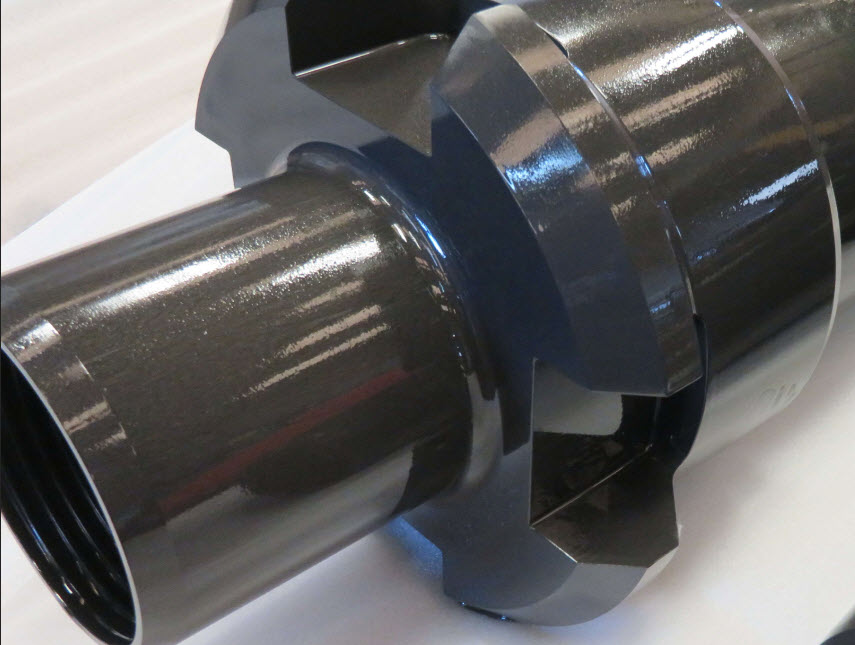
Phosphate Coating Process
Phosphate coatings are a crystalline conversion coating for steel and other metals that is formed on a ferrous metal substrate. The process of Phosphate coating is employed for the purpose of pretreatment prior to coating or painting, increasing corrosion protection and improving friction properties of sliding components. In other instances, phosphate coatings are applied to threaded parts and top coated with oil (P&O) to add anti-galling and rust inhibiting characteristics.
The phosphating process relies on the basic pickling reaction that occurs on the metal substrate when the process solution comes in contact with the metal. The main benefits that phosphating provides is strong adhesion and corrosion protection. Typically, phosphate coatings are applied to steel parts because iron in the steel is required for the coating to form. Metal Coatings Corp. offers both zinc phosphate coating in a dark gray/black appearance.
Zinc Phosphate Coating
Zinc phosphate coatings (Type Z) are also available and are mainly used for rust proofing on ferrous metals. They can be applied by immersion or spraying. Zinc phosphate is a lighter alternative to manganese phosphate, while providing resistance to harsh elements that tend to wear products quickly. We offer both black zinc phosphate coatings and dark gray zinc phosphate coatings.
Manganese Phosphate Coating
Manganese phosphate coatings are also available and are mainly used for wear resistance and oil retention on ferrous metals. This means that it is better for applications that require anti-friction and anti-galling properties. This method is applied via immersion of the part.
| Phosphate Coating Statistics | |
|---|---|
| Color | Dark gray / black |
| Coating Weight | 2000-3000 mg / sq. ft |
| Top Coats | Oil or Paint |



Metal Coatings Corp. maintains a huge stock of coated B7 studs, threaded bar and 2H nuts. Available for same-day shipping in a wide variety of sizes, each is expertly coated with the proprietary FluoroKote #1® fluoropolymer coating process that offers easier assembly, fights corrosion and prevents seizing and galling.
Request a Quote